
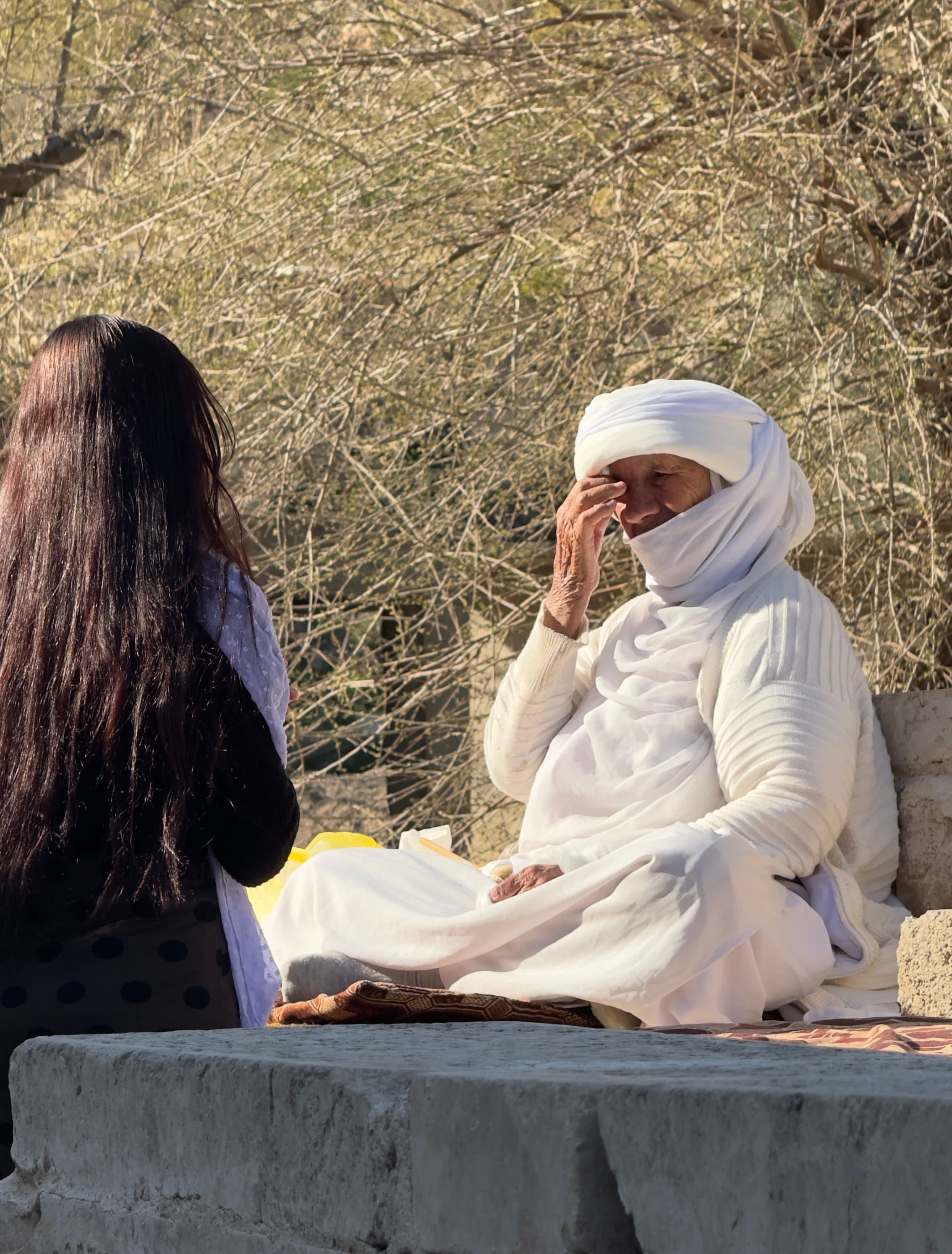
Traditions
Yazidism: The Ancient Faith That Refused to Disappear.
Hidden among the rugged mountains and quiet valleys of Kurdistan survives one of the world’s oldest living religious traditions. Long before the rise of Islam, Christianity, or the dominance of Zoroastrianism in the Persian empires, the highlands of the Zagros nurtured a spiritual worldview unlike any other. Today, that ancient heritage continues through Yazidism—a faith whose roots stretch back thousands of years while preserving beliefs that have survived the rise and fall of civilizations.
Vision Operations Cultural Desk
Kurdistan,Erbil
CONTEXT
Why Yazidism Matters
Yazidism offers a rare glimpse into the spiritual history of ancient Kurdistan and the broader Middle East. Unlike many major world religions, it evolved through centuries of oral tradition and sacred practice rather than a single founder or religious text. Its continued existence provides valuable insight into the cultural and religious diversity that has shaped the region for millennia.
Understanding Yazidism is not only important for appreciating its historical significance but also for recognizing the resilience of communities that have preserved their identity despite centuries of political and cultural change.
What you will learn
- 01The ancient origins of Yazidism.
- 02The core beliefs and spiritual structure of the Yazidi faith.
- 03The significance of Tawûsî Melek and the Seven Holy Beings.
- 04Why Kurdistan's geography helped preserve Yazidism.
- 05The spiritual importance of Lalish.
- 06How Yazidism has survived through oral tradition and community continuity.
Key takeaways
- 01Yazidism is one of the world's oldest living religions.
- 02It is preserved primarily through oral tradition rather than written scripture.
- 03The religion is centered on one Creator and seven sacred beings entrusted with the divine order of creation.
- 04Tawûsî Melek, the Peacock Angel, is the highest of these sacred beings and has often been misunderstood by outsiders.
- 05The mountains of Kurdistan played a crucial role in protecting and preserving Yazidi culture and beliefs.
- 06Lalish remains the spiritual center of the Yazidi world.
Why It Matters
Why Yazidism Matters
Yazidism offers a rare glimpse into the spiritual history of ancient Kurdistan and the broader Middle East. Unlike many major world religions, it evolved through centuries of oral tradition and sacred practice rather than a single founder or religious text. Its continued existence provides valuable insight into the cultural and religious diversity that has shaped the region for millennia.
Understanding Yazidism is not only important for appreciating its historical significance but also for recognizing the resilience of communities that have preserved their identity despite centuries of political and cultural change.
Origins
Understanding Yazidism
Ancient Origins
Yazidism traces its spiritual foundations back thousands of years to the ancient highlands of the Zagros Mountains. Its beliefs reflect layers of ancient Mesopotamian, Iranian, and regional spiritual traditions that evolved over centuries while maintaining a unique theological identity. Unlike religions established through prophetic revelation or codified scripture, Yazidism developed through collective memory, sacred hymns, rituals, and hereditary religious traditions.
Oral Tradition and Sacred Knowledge
One of the defining characteristics of Yazidism is its reliance on oral tradition. Sacred hymns, ceremonial practices, and religious teachings have been transmitted from generation to generation without depending primarily on written texts. This living tradition has enabled the Yazidi community to preserve its beliefs despite political upheavals, forced migrations, and cultural transformations throughout history.

Theology
Core beliefs of the Yazidi faith.
One Supreme Creator
The Seven Sacred Beings
Tawûsî Melek: The Peacock Angel
Geography
Sacred Geography: The Mountains of Kurdistan
The survival of Yazidism is closely tied to the geography of Kurdistan. The Zagros and Taurus mountain ranges provided natural refuge for communities seeking to preserve their beliefs and traditions. Throughout history, powerful empires introduced new religions, political systems, and cultural identities across the region. Yet the mountainous landscape allowed isolated communities to maintain their spiritual practices while adapting selectively to surrounding influences.
Rather than disappearing, Yazidism evolved while preserving its theological foundations and cultural identity.
“No place embodies the continuity of the Yazidi faith more profoundly than Lalish."”
Traditions
Lalish: The Spiritual Heart of Yazidism
Nestled within a secluded valley in Kurdistan, Lalish is the holiest site in Yazidism and the destination of sacred pilgrimages. For centuries, Yazidis have traveled to Lalish to perform rituals, renew their spiritual commitments, and connect with their religious heritage. The sanctuary is closely associated with Sheikh Adi, one of the most revered figures in Yazidi history, whose influence helped establish Lalish as the spiritual center of the Yazidi world.
The sacredness of Lalish itself may extend even further into antiquity, reflecting the longstanding relationship between the region's landscapes and its spiritual traditions.
Resilience
How Yazidism survived through the centuries.
The endurance of Yazidism has never depended upon political influence or military power. Its survival rests upon three fundamental pillars.
Oral tradition
Community continuity
Sacred ritual & collective memory
Generation after generation, Yazidis preserved their hymns, ceremonies, and spiritual teachings despite repeated attempts to erase or marginalize their culture and beliefs. This resilience has allowed Yazidism to remain one of the last living expressions of ancient Kurdish religious heritage.
Approach
Best practices for understanding Yazidism.
When learning about Yazidism, a is important to:
- 01Recognize it as an independent and ancient religious tradition.
- 02Understand that many historical misconceptions stem from external interpretations.
- 03Appreciate the role of oral tradition in preserving sacred knowledge.
- 04Consider the cultural and geographical context of Kurdistan when exploring its history.
- 05Approach Yazidi beliefs through their own theological framework rather than comparisons with other religions.


Melek Taûs, the Peacock Angel.
FAQ
Frequently asked questions
Is Yazidism one of the oldest religions in the world?+
Does Yazidism have a sacred book?+
Who is Tawûsî Melek?+
Why is Lalish important?+
How did Yazidism survive throughout history?+
Conclusion
Yazidism remains one of humanity's oldest living religious traditions and a remarkable testament to cultural resilience.
Rooted in the mountains of Kurdistan and preserved through centuries of oral tradition, it continues to embody a worldview in which sacred order, community memory, and spiritual continuity remain inseparable.
By preserving its ancient beliefs and practices, Yazidism offers a unique connection between the modern world and the spiritual heritage of the ancient Middle East.
Discover More
Explore Kurdistan's cultural heritage.
The Kurdistan Region is home to ancient civilizations, sacred landscapes, and living traditions that continue to shape its cultural identity today.
SOURCE
Izady, Mehrdad R. The Kurds: A Concise Handbook. Washington, D.C.: Taylor & Francis, 1992.
More from Vision Operations
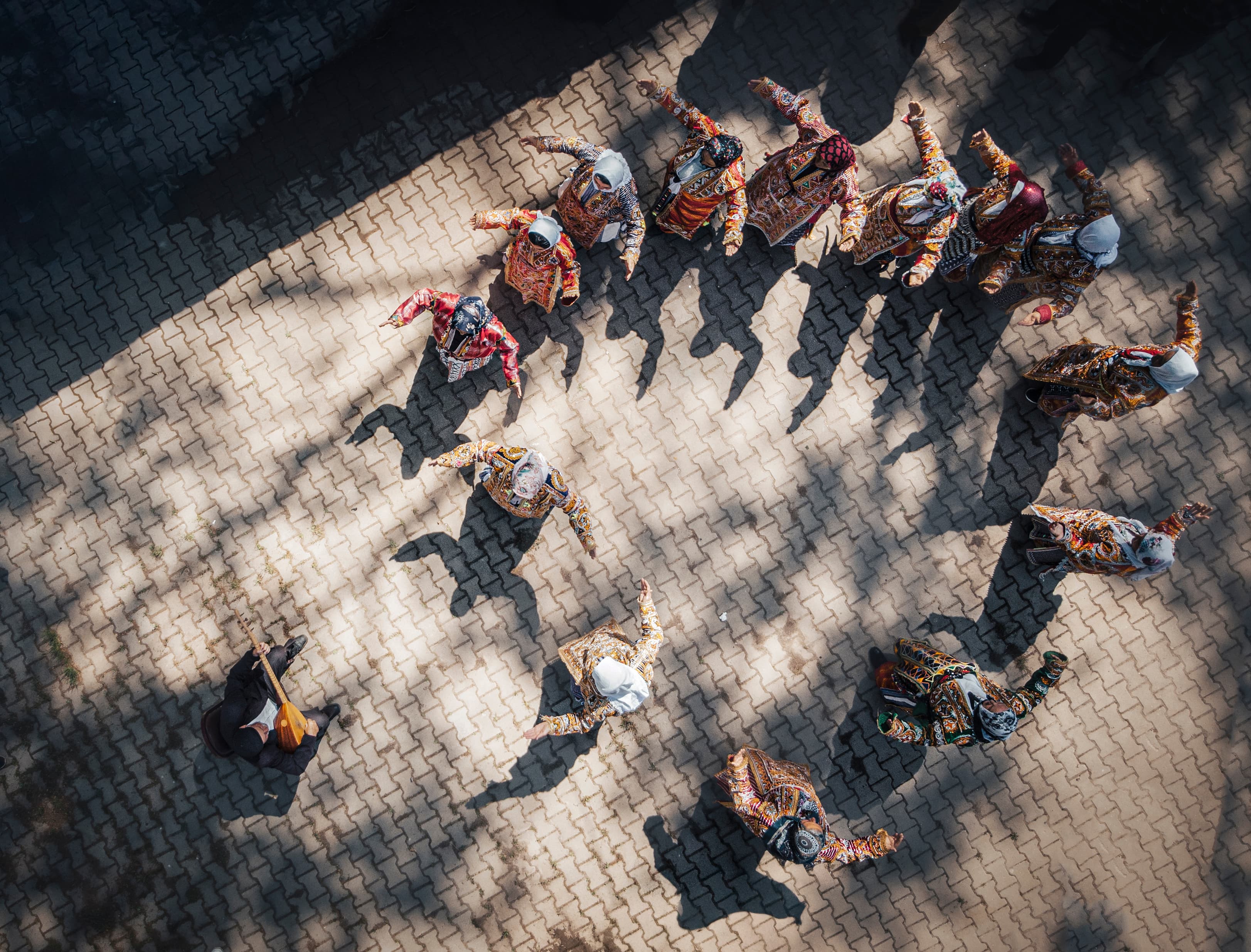
Alevism: The Sacred Tradition of Ali and the Ancient Cult of Angels
Across eastern Anatolia and Kurdistan, Alevism has preserved a distinctive religious tradition centered on sacred manifestations, communal ritual, and reverence for Ali. Associated particularly with the Dimila Kurds and some Kurmanji-speaking communities, it is known by names including Alevi, Alawi, and Qizilbash. Alevism belongs to the ancient Cult of Angels, with Ali regarded as a primary avatar of the Universal Spirit. In Alevi tradition, Ali and the Prophet Muhammad are joined as Alimuhammad. Its religious life includes communal ceremonies, hymns, and reverence for the sun and moon.
Read articleYarsanism: The Sacred World of the Universal Spirit
Across the mountains of Kurdistan, Yarsanism, or Ahl-e Haqq, survives as one of the branches of the ancient Cult of Angels, alongside Yezidism and Alevism. At its center is Haq, the Universal Spirit, whose manifestations unfold through seven epochs, or Biyabas. Yarsani belief also teaches a journey of the soul through successive forms of existence. After reaching humanity, the soul continues through reincarnation, known as Dun ba Dun, until it reaches perfection and union with the Universal Spirit.
Read articleStay informed
Receive new articles and guides.
Original stories, travel guides, archaeology, history, and cultural insights from across the Kurdistan Region of Iraq.